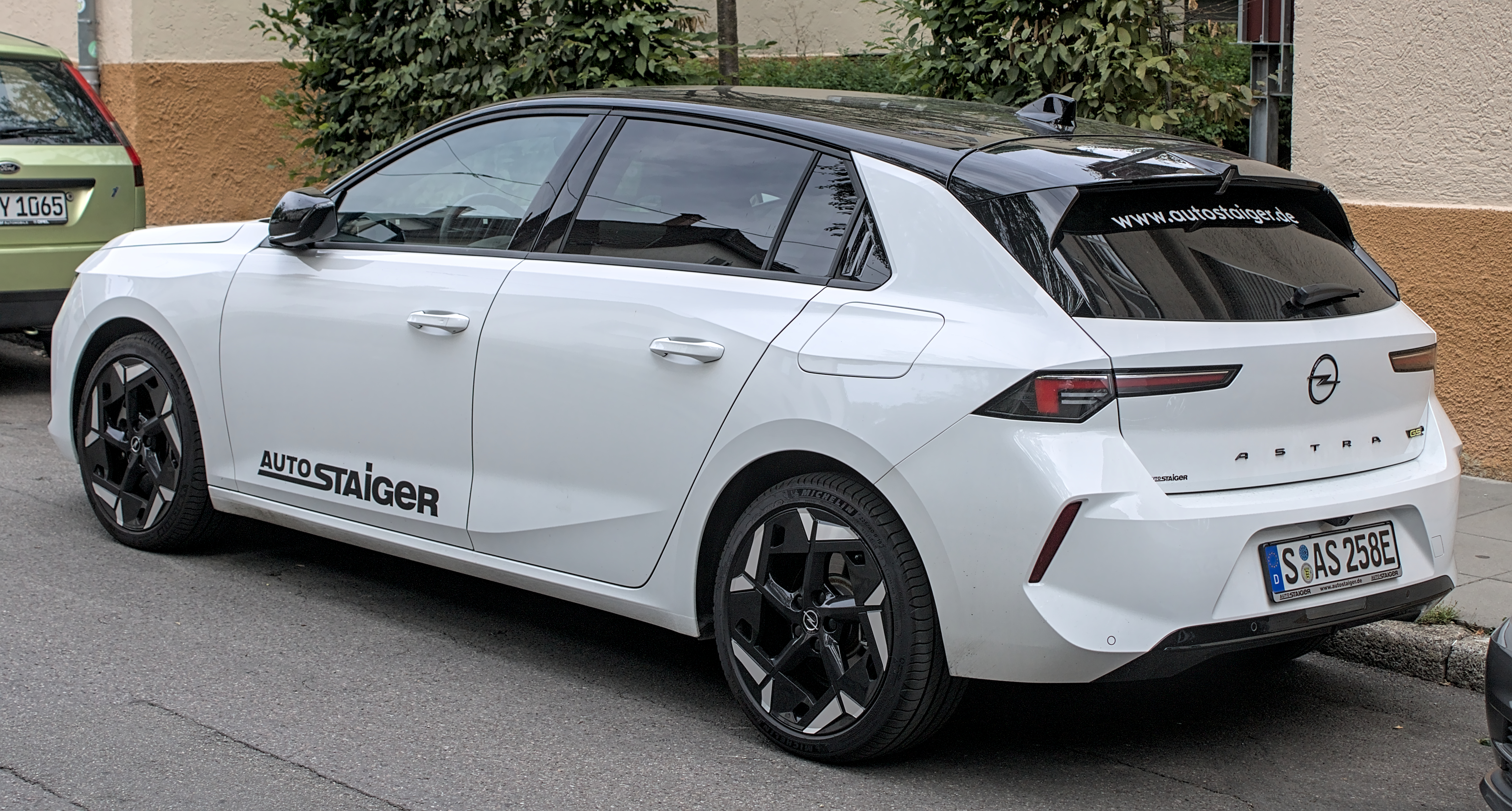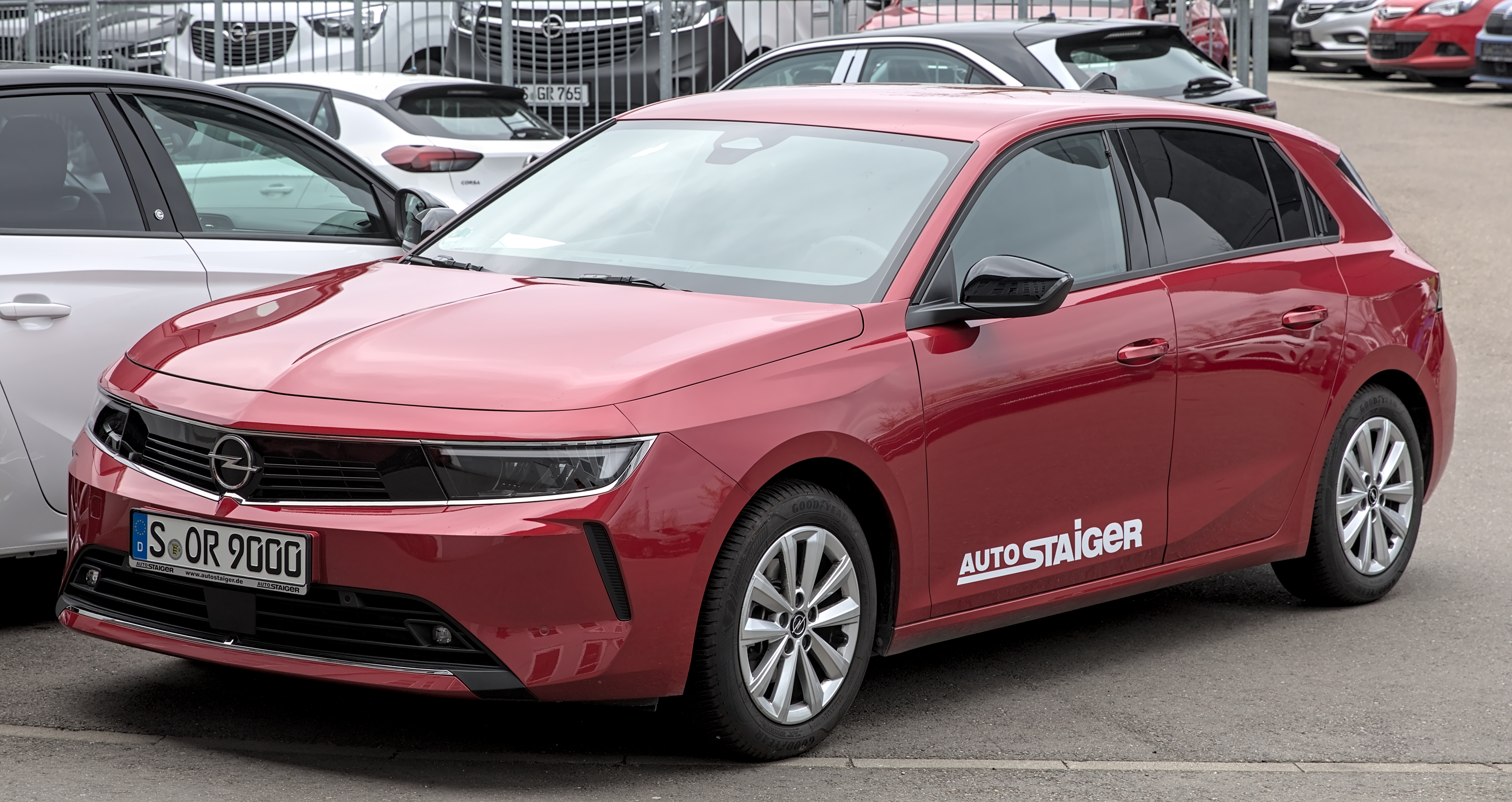
Stepless / 9-Speed Automatic
The 2019 update introduced a stepless automatic with the 1.4 petrol and a nine-speed automatic with the 1.5 diesel, requiring different diagnostic routes.
SPEAK TO A TECHNICIAN NOW 01922 666 376 8am - 5.30pm Mon-Fri
Specialist diagnosis, repair and reconditioning for Vauxhall Astra automatic gearboxes, covering earlier conventional automatics, Astra K stepless/CVT and nine-speed automatic applications, plus current Astra eight-speed automatic and electrified dual-clutch systems.
If your Astra shudders, delays into Drive, slips, shifts harshly or displays a gearbox warning, we identify the exact generation and transmission before replacing parts.
Astra automatic technology varies substantially by generation. Earlier J/K cars include conventional six-speed automatics; the 2019 Astra K update introduced a stepless automatic on the 1.4 petrol and nine-speed auto on the 1.5 diesel. Astra L launched with eight-speed automatics, while later Hybrid models add electrified six-speed DCT and newer GSE applications use e-DCT7.
| Astra generation / type | Typical UK versions | Automatic gearbox | What owners often search for |
|---|---|---|---|
| Astra J, 2009–2015 | Selected petrol/diesel automatic versions | Conventional 6-speed automatic on relevant models | Astra 6-speed auto fault, harsh shift, delayed Drive |
| Astra K, 2015–2019 | Petrol/diesel automatic versions | Conventional automatic on relevant engines | Astra K automatic slipping, valve body fault |
| Astra K facelift, 2019–2021 | 1.4 petrol / 1.5 diesel automatics | Stepless automatic/CVT petrol; 9-speed automatic diesel | Astra CVT fault, 9-speed warning, delayed Drive |
| Astra L, 2022–present | Petrol/diesel/PHEV/Hybrid/GSE/Electric | 8-speed automatic petrol/PHEV where fitted; 6-speed hybrid DCT; newer GSE e-DCT7; Electric uses reduction drive | Astra 8-speed fault, Hybrid DCT judder, GSE e-DCT7 warning |
The 2019 update introduced a stepless automatic with the 1.4 petrol and a nine-speed automatic with the 1.5 diesel, requiring different diagnostic routes.
Astra L petrol and earlier plug-in-hybrid automatic applications use an eight-speed automatic. Valve-body, converter, pressure-control and hybrid integration are key areas.
Later Astra Hybrid uses an electrified six-speed dual-clutch transmission, while newer GSE uses e-DCT7. Clutch, actuator and hybrid control data should be assessed together.
Astra gearbox symptoms can look similar across generations even though a CVT, torque-converter eight-speed and electrified DCT need completely different tests.
On electrified dual-clutch versions, low-speed judder can involve clutch engagement, adaptation, actuator control or hybrid powertrain transitions.
A pause after selecting gear can involve clutch application, hydraulic/electronic control, conventional-auto pressure or internal wear depending on the transmission.
Abrupt shifts can involve adaptation, valve-body pressure control, DCT clutch control or internal mechanical damage.
A transmission or hybrid warning should be scanned across both gearbox and electrified powertrain control modules before parts are replaced.
On conventional automatics this can involve clutch or pressure loss; on DCT versions it can involve clutch wear or actuator/control faults.
Transmission, electric-drive, mounts, driveshafts and wheel bearings can produce overlapping symptoms.
Tell us whether the Astra judders while moving away, flares under acceleration, shudders at cruise or develops the fault during hybrid operation.
| What you notice | How drivers describe it | Possible areas to investigate |
|---|---|---|
| Judder pulling away | “It shakes as I move off or reverse.” | DCT clutch/actuator, conventional-auto clutch application, mounts or hybrid transition |
| Delay then engage | “I select Drive and it pauses before moving.” | Hydraulic pressure, clutch application, valve body or DCT control |
| RPM flare | “The revs rise without matching acceleration.” | Clutch slip, hydraulic pressure, CVT ratio control or internal wear |
| Harsh low-speed shift | “It jerks between the lower gears.” | Adaptation, valve body, DCT control or mounts |
| Whine / hum | “The noise changes with speed.” | Transmission/CVT bearings, differential, electric drive or wheel bearing |
| Warning / reduced power | “The gearbox or hybrid warning appears.” | Stored TCM/hybrid DTC, pressure/control fault or protection mode |
Fault codes help direct testing, but they should be interpreted with the exact transmission type, live data and the vehicle's symptoms.
| Fault code | What it broadly relates to | What may need checking |
|---|---|---|
| P0700 | Transmission control system warning request | Read the Vauxhall transmission/hybrid control modules for the underlying DTCs |
| P0715 | Input / turbine speed sensor circuit | Speed-sensor signal, wiring and transmission control data |
| P0730 | Incorrect gear ratio | Clutch application, CVT ratio control, hydraulic pressure or internal wear |
| P0741 | Torque-converter clutch performance where applicable | Converter lock-up, valve body, pressure and fluid condition on conventional automatic versions |
| P17xx family | Manufacturer-specific transmission / clutch-control faults | Vauxhall/Stellantis-specific TCM, DCT clutch/actuator or hybrid-transmission data |
CVT ratio/pressure data, eight-speed converter/valve-body data and e-DCT clutch/hybrid data should be interpreted according to the exact Astra fitted.
Repair cost depends on the exact gearbox family and whether the problem is a control/component fault or significant internal damage.
| Vauxhall Astra gearbox work | Typical guide range | What can change the price? |
|---|---|---|
| Diagnostic scan and road test | From £30 | CVT, 8-/9-speed, hybrid and GSE complexity |
| Valve-body / pressure-control repair | Approx. £800 - £1,700 | Conventional auto/CVT family and hydraulic fault |
| Hybrid DCT clutch / actuator repair | Approx. £900 - £1,800 | e-DCT6/e-DCT7 and hybrid integration |
| Full conventional automatic / CVT / DCT gearbox reconditioning | Approx. £2k - £4.5k+ | Transmission family and internal damage |
| PHEV / Electric integrated drive work | Diagnosis required | Electrified powertrain involvement |
We identify Astra generation, engine, electrification status and exact CVT/automatic/DCT transmission.
Vauxhall-compatible diagnostics are used to read TCM/hybrid faults, pressure, ratio, clutch and adaptation data.
Valve body, converter, CVT ratio system, DCT clutch/actuator or electrified-drive behaviour is tested against the reported symptom.
We recommend the repair indicated by the diagnosis and confirm the price before work begins.
Tell us the year, engine and exactly what the vehicle is doing so we can narrow down the correct transmission and repair route.
Service4Service Midlands provides Vauxhall Astra gearbox diagnosis and repair for drivers across Birmingham, Coventry, Wolverhampton, Walsall, Solihull, Leicester, Derby, Nottingham, Stoke-on-Trent, Northampton and surrounding East and West Midlands areas.
Whether your Astra is shuddering in Birmingham, showing a gearbox warning in Coventry or developing a Hybrid DCT fault near Leicester, transmission identification is the first step.
More Vauxhall gearbox guides:
Looking for the whole Vauxhall range? Visit our Vauxhall gearbox repair page.
It depends on generation. Astra has used conventional six-, eight- and nine-speed automatics, a stepless/CVT transmission on the facelift Astra K, and electrified DCTs on later Hybrid/GSE models.
Yes. Current petrol Astra models include an eight-speed automatic option, while Hybrid models use an electrified six-speed dual-clutch transmission.
Vauxhall specifies an electrified six-speed dual-clutch automatic for the 48V Astra Hybrid.
The updated Astra GSE uses a seven-speed e-DCT7 dual-clutch gearbox.
A full conventional automatic / CVT / DCT gearbox reconditioning job is broadly around £2k–£4.5k+ as a guide, depending on transmission family and internal damage.
No. Astra Electric uses an electric drive and reduction gear rather than a conventional multi-speed automatic.
Identify the exact transmission first, then repair the control, clutch, converter, CVT, DCT or internal gearbox fault testing actually confirms.