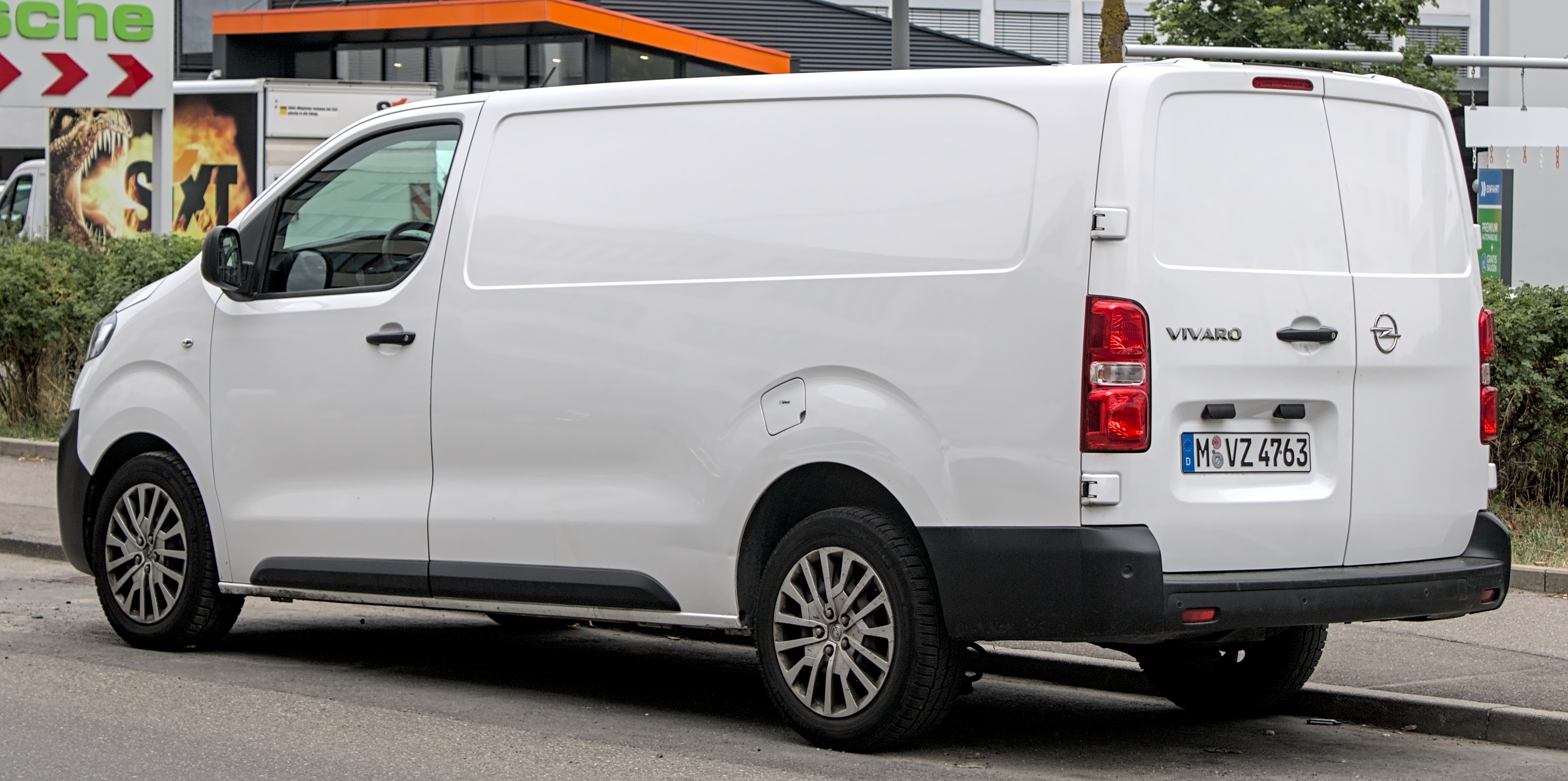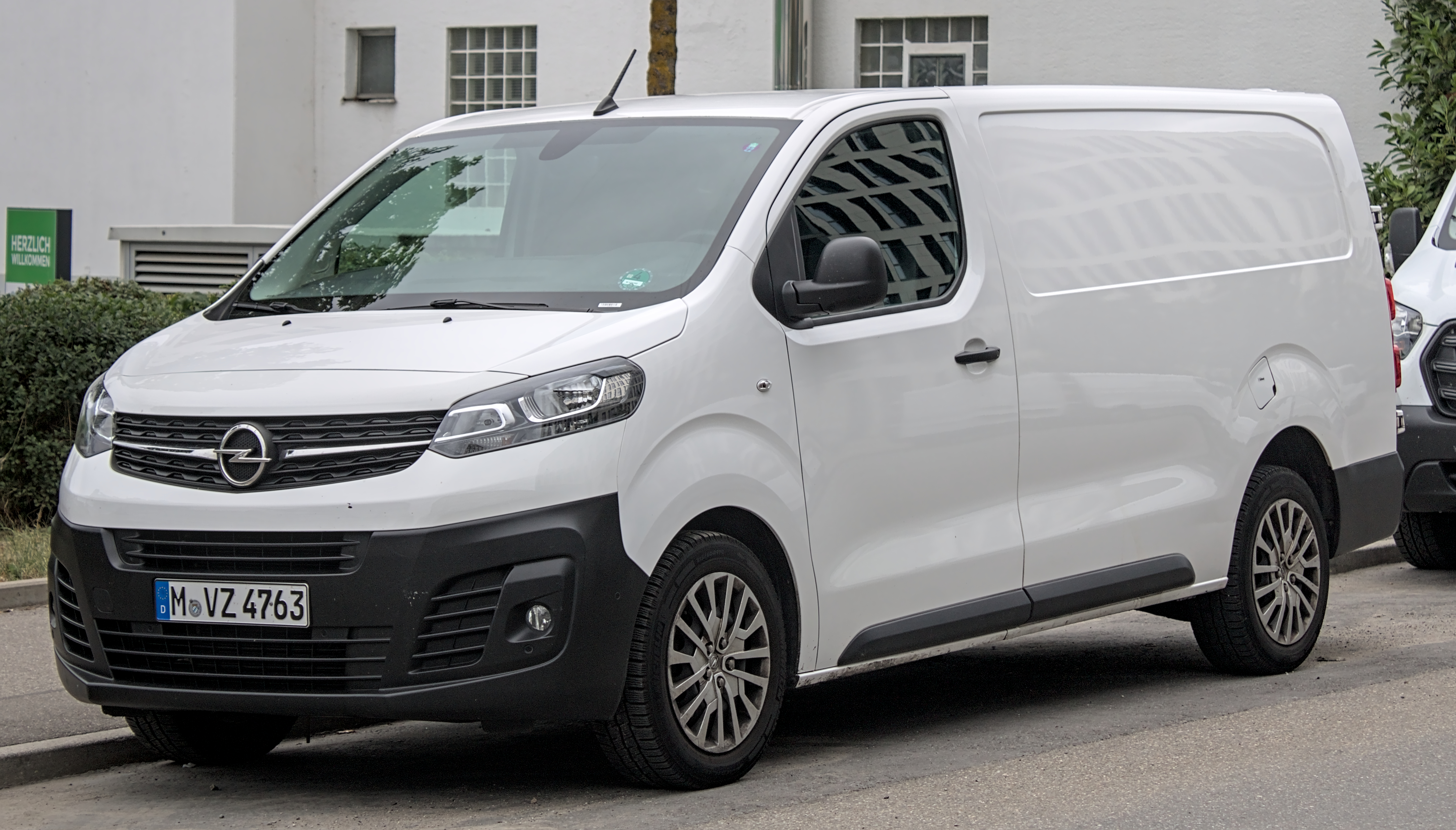
Manual / Automated-Manual Variants
Earlier Vivaro transmission specification is build-dependent. Where automated-manual systems are fitted, clutch actuator and selector diagnosis differ from a torque-converter automatic.
SPEAK TO A TECHNICIAN NOW 01922 666 376 8am - 5.30pm Mon-Fri
Specialist automatic gearbox diagnosis, repair and reconditioning for Vauxhall Vivaro vans, with particular focus on the third-generation eight-speed automatic used with relevant 2.0 Turbo D diesel versions.
If your Vivaro delays into Drive, slips under load, shifts harshly when hot or shows a gearbox warning, we identify the generation, engine and commercial operating conditions before repair.
Earlier Vivaro generations were predominantly manual, with selected automated-manual transmission applications depending on engine and build. The third-generation Vivaro C introduced an eight-speed automatic with relevant 2.0 Turbo D versions, including current 145PS/180PS diesel applications. Vivaro Electric uses a single-speed electric drive.
| Vivaro generation / type | Typical UK versions | Automatic gearbox | What owners often search for |
|---|---|---|---|
| Vivaro A, 2001–2014 | Diesel van/minibus derivatives | Predominantly manual; selected automated-manual applications depending on build | Vivaro Tecshift fault, actuator problem |
| Vivaro B, 2014–2019 | 1.6 CDTi derivatives | Predominantly manual; automatic/automated specification varies by market/build | Vivaro B gearbox fault, gear selection issue |
| Vivaro C, 2019–present | 2.0 Turbo D 145/180PS automatic versions | 8-speed automatic on relevant 2.0 diesel versions | Vivaro 8-speed repair, harsh shifts, delayed Drive |
| Vivaro Electric | 50/75kWh battery-electric versions | Single-speed electric reduction drive | Vivaro Electric drive-unit fault |
Earlier Vivaro transmission specification is build-dependent. Where automated-manual systems are fitted, clutch actuator and selector diagnosis differ from a torque-converter automatic.
Relevant 2.0 Turbo D Vivaro C versions use an eight-speed conventional automatic. Valve-body, converter, pressure-control and internal clutch condition are key diagnostic areas.
The electric van uses an electric motor and reduction-drive system rather than the diesel eight-speed automatic, so drive-unit faults follow a separate repair route.
Vivaro automatic faults are often load- and temperature-dependent: a van may shift normally empty but flare, shudder or change harshly once loaded or fully warm.
A pause before engagement can involve hydraulic pressure, clutch application, valve-body operation, torque-converter fill or internal seal wear.
Abrupt changes can involve adaptations, pressure-control solenoids, valve-body wear, speed-sensor data or internal clutch damage.
A vibration at steady speed can involve torque-converter lock-up, but mounts, driveshaft and wheel/tyre faults should also be ruled out.
If engine speed rises without matching acceleration, internal clutch slip or hydraulic pressure loss should be investigated quickly.
A gearbox warning or restricted gears should be scanned with Vauxhall-compatible diagnostics before parts are replaced.
Noise can come from the transmission, but differential, driveshaft, mount and wheel-bearing faults can feel gearbox-related.
Tell us whether the Vivaro is empty or loaded, hot or cold, and whether the issue appears around town, on the motorway or while towing.
| What you notice | How drivers describe it | Possible areas to investigate |
|---|---|---|
| Delay then thump | “I select Drive and it pauses before engaging.” | Hydraulic pressure, clutch application, valve body, converter fill or seals |
| Shudder at steady speed | “It vibrates gently when cruising.” | Torque-converter lock-up, valve body, driveline or wheel/tyre issue |
| RPM flare | “The revs rise before the next gear catches.” | Internal clutch slip, pressure loss, valve body or internal wear |
| Harsh downshift | “It bangs as I slow down.” | Adaptation, pressure control, speed data, valve body, mounts or internal wear |
| Whine / hum | “The noise changes with road speed.” | Transmission bearings, differential, driveshaft or wheel bearing |
| Warning / limited gears | “The gearbox warning appears and it stops shifting normally.” | Stored TCM DTC, pressure/control fault, sensor data or protection mode |
Fault codes help direct testing, but they should be interpreted with the exact transmission type, live data and the vehicle's symptoms.
| Fault code | What it broadly relates to | What may need checking |
|---|---|---|
| P0700 | Transmission control system warning request | Read the Vauxhall transmission control module for the underlying gearbox-specific DTCs |
| P0715 | Input / turbine speed sensor circuit | Speed-sensor signal, wiring, control data and internal transmission operation |
| P0730 | Incorrect gear ratio | Commanded versus actual ratio, clutch application, hydraulic pressure and internal wear |
| P0741 | Torque-converter clutch performance on applicable conventional automatics | Converter lock-up, valve body, hydraulic pressure and fluid condition |
| P0796 | Pressure-control solenoid performance / stuck condition | Valve body, solenoid operation, pressure regulation and hydraulic integrity |
Current eight-speed automatic faults should be diagnosed using live converter, pressure, ratio and temperature data rather than from a generic code alone.
Repair cost depends on the exact gearbox family and whether the problem is a control/component fault or significant internal damage.
| Vauxhall Vivaro gearbox work | Typical guide range | What can change the price? |
|---|---|---|
| Diagnostic scan and road test | From £30 | Generation, load and transmission type |
| Valve-body / solenoid repair | Approx. £900 - £1,800 | Eight-speed hydraulic/control condition |
| Torque-converter related repair | Approx. £1,000 - £1,900 | Converter condition and removal labour |
| Full conventional automatic / gearbox reconditioning | Approx. £2.5k - £4.5k+ | Transmission family and internal damage |
| Vivaro Electric drive-unit work | Diagnosis required | Motor/reduction-drive involvement |
We identify Vivaro generation, engine, body type, payload/use and exact transmission.
Vauxhall-compatible diagnostics are used to read transmission faults, converter slip, pressure, ratio and temperature data.
Valve body, converter, internal clutches and surrounding commercial driveline components are tested under representative conditions where possible.
We recommend the repair indicated by the diagnosis and confirm the price before work begins.
Tell us the year, engine and exactly what the vehicle is doing so we can narrow down the correct transmission and repair route.
Service4Service Midlands provides Vauxhall Vivaro gearbox diagnosis and repair for drivers across Birmingham, Coventry, Wolverhampton, Walsall, Solihull, Leicester, Derby, Nottingham, Stoke-on-Trent, Northampton and surrounding East and West Midlands areas.
Whether your Vivaro is slipping under load in Birmingham, delaying into Drive in Coventry or shifting harshly when hot near Derby, commercial-use history and gearbox identification are critical.
More Vauxhall gearbox guides:
Looking for the whole Vauxhall range? Visit our Vauxhall gearbox repair page.
Relevant current Vivaro 2.0 Turbo D diesel versions use an eight-speed automatic transmission.
Current Vauxhall information lists the 2.0 Turbo D 145PS with manual or eight-speed automatic, while the 180PS version is automatic-only.
Payload can expose valve-body pressure, converter, mount or internal clutch problems that are less noticeable when the van is empty.
Many hydraulic and solenoid faults can be repaired or reconditioned after correct testing.
A full conventional automatic / gearbox reconditioning job is broadly around £2.5k–£4.5k+ as a guide, depending on internal damage and commercial use.
No. Vivaro Electric uses an electric motor and reduction-drive system rather than the diesel eight-speed automatic.
Identify the exact transmission first, then repair the control, clutch, converter, CVT, DCT or internal gearbox fault testing actually confirms.